Why do we age? It is a question rooted in cellular biology, yet one that resonates with every human being.
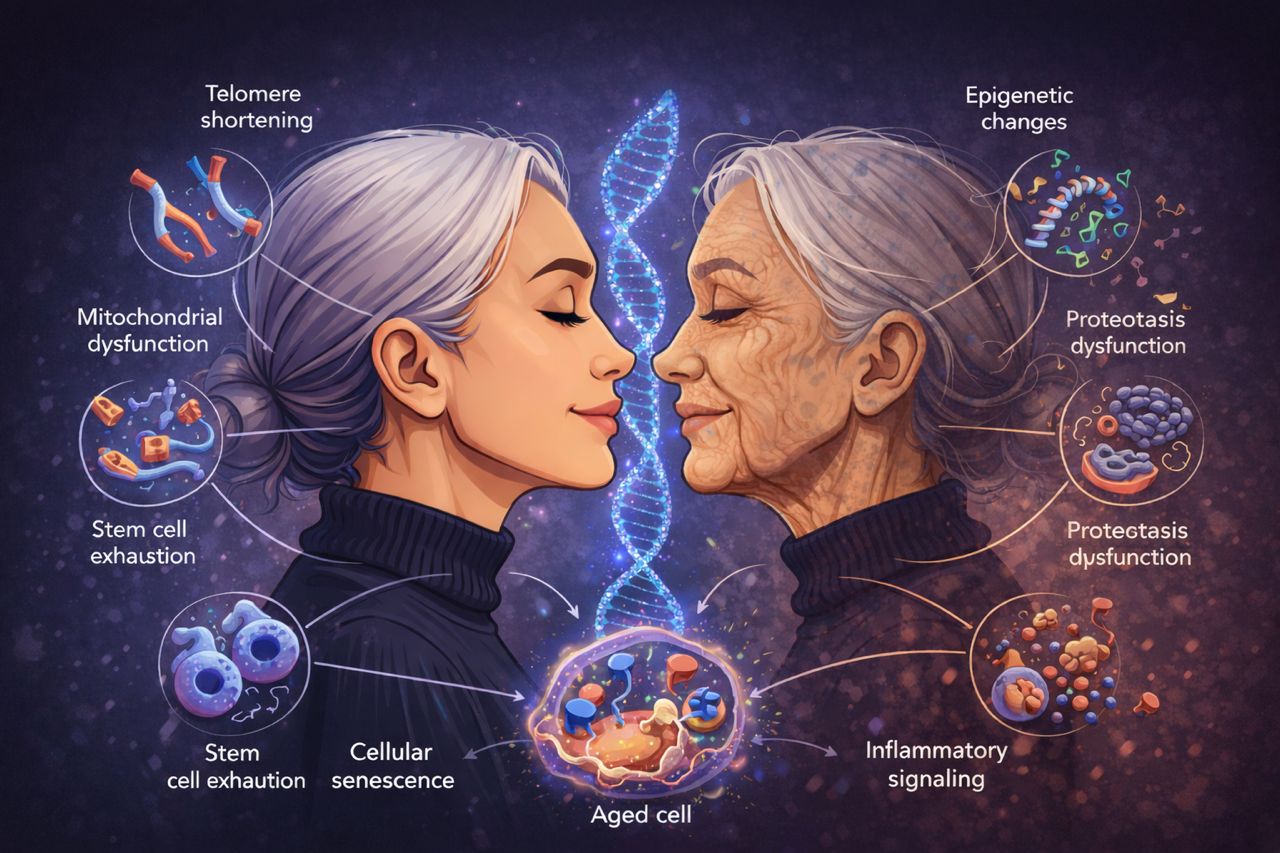
I was recently drawn to this YouTube video I watched on “How to Slow Aging (and even reverse it)” by Veritasium (https://youtu.be/QRt7LjqJ45k?si=KOZIWQFx_R-CwyAA). The video explored why humans age and whether aging can be slowed. This stood out for me, because aging is such a scientific and natural event that is common and a concern to almost all of humanity. This video provides a compelling case study of effective digital science communication because the science of aging involves complex cellular biology, genetics and chemistry, yet it was presented in a way that almost everyone can make sense of it and understand it.
One of the strongest features of the video and the first thing I learnt from Veritasium is the use of clear, everyday language. While aging as a topic involves technical ideas and terminologies such as DNA damage, telomeres, cellular senescence, etc., these terms were introduced gradually and explained in simple ways. Just like how telomeres were described as “protective caps” at the ends of DNA strands, comparable to the plastic tips on shoelaces. This brought it home for everyone to picture and comprehend. It anchored an abstract molecular structure to a familiar object, thereby enhancing retention. Such small comparison instantly made a complicated molecular concept feel familiar to a viewer.
Storytelling was explored to guide the explanation. Instead of rolling out biological
mechanisms one after another, it framed aging as a mystery scientists are trying to
solve. This way, it easier for us to follow the researchers in exploring these mysteries
(theories), such as accumulated damages versus genetic programming. This narrative approach makes the science feel like an unfolding investigation rather than a textbook lesson.
The visuals also played a huge role in clarity. The use of animated graphics showed
DNA strands breaking, cells dividing, and biological processes happening over time.
The visualization helped make invisible microscopic changes feel concrete and dynamic, as well as easier to remember. Without these, much of the explanation would remain abstract to a lot of the consumers.
Another strong side of the video is the balanced tone employed by Veritasium. The
video addressed exciting claims about “anti-aging breakthroughs” but carefully
distinguished solid scientific evidence from hypes. This helps viewers understand and build trust and avoid misinformation, which is important in such a field full of bold promises or false hopes.
If anything could have been improved from my view, it might be the inclusion of a short summary at the end of the video to reinforce the key takeaways. Because the topic covered several theories, a brief recap could help viewers consolidate what they have learned.
Overall, Veritasium’s video – “How to Slow Aging (and even reverse it)” is a good example of science communication done well. It highlights the critical role of thoughtful communication in bridging the gap between scientific expertise and public understanding. By exploring relatable analogies, engaging storytelling, thoughtful visual representations, and a calm, evidence-based tone. It made the biology of aging feel fascinating, accessible and relevant to everyone that views it.

 Pharm_Chi
Leave a comment